Refunds and reversals on mobile money: how they actually work for small businesses
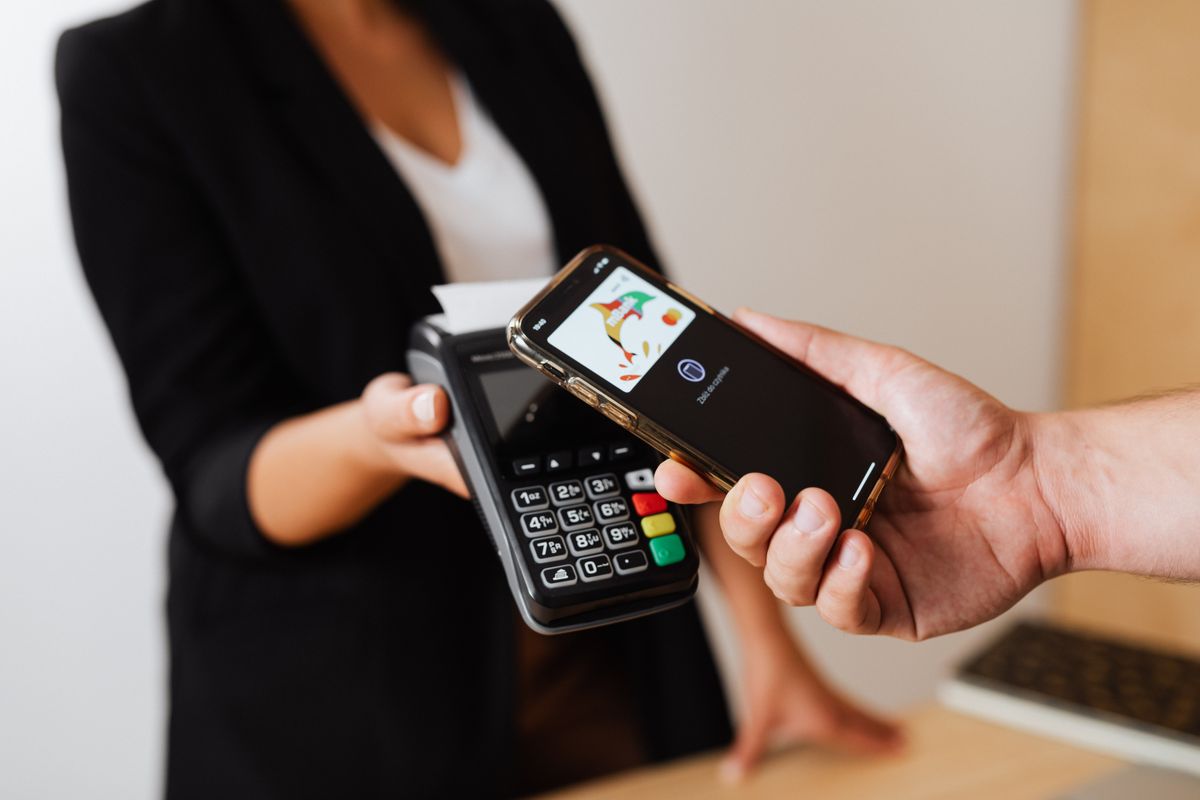
Handing back cash used to be simple: a customer returns an item or a service falls through, and you open the till and count out the amount. Mobile money doesn't work that way. There's no drawer to open on Airtel Money or MTN MoMo — a refund is a brand new transfer, sent by you, back to the customer's number, and it doesn't happen automatically just because the original sale gets cancelled. A business that only figures this out the first time a refund is actually needed usually ends up stalling a customer for a day while someone works out how to send the money back.
Neither Airtel Money nor MTN MoMo gives a merchant a button that reverses a specific transaction on the customer's side. What you're actually doing when you "refund" a mobile money payment is initiating a new payment in the other direction, referencing the original transaction ID in your own records so the two are linked. A true provider-side reversal — for something like a payment sent to the wrong till number, or a provider error — is a different process entirely, filed as a dispute with the network directly, and it only works within a tight window, often 24 to 48 hours, and only with the original transaction reference in hand. Miss that window and the only way to make a customer whole is to send the money yourself.
The part that actually causes losses is sloppiness in the sending, not the mechanics. Refunding to a phone number you didn't verify against the original payment — typed from memory, or read off a message instead of the transaction record — sends real money to a stranger with no way to pull it back once they've withdrawn it. The discipline that holds up is simple: refund only to the number the original payment came from, log every refund against the specific sale it reverses so it can't be paid out twice or missed at reconciliation, and keep the transaction reference for both the original payment and the refund together, since that's what you'll need if a dispute ever goes to the provider.
We build refund handling directly into the POS and payment systems we set up, so a refund is logged against the original sale automatically, checked against the number that actually paid, and reflected in your books the same day — instead of becoming a manual WhatsApp-and-spreadsheet exercise every time a customer asks for their money back. If refunds are still something your team handles from memory, that's a small gap worth closing before it costs you more than the refund itself.